KNOW YOUR RIGHTS
2-Hour Takedown: What India’s New IT Rules Mean for Digital Privacy
Under the newest IT Amendment Rules, social media companies face severe criminal liability if they fail to take down intimate photos within two hours. Here is your guide to rapid digital defense.
2/18/20265 min read
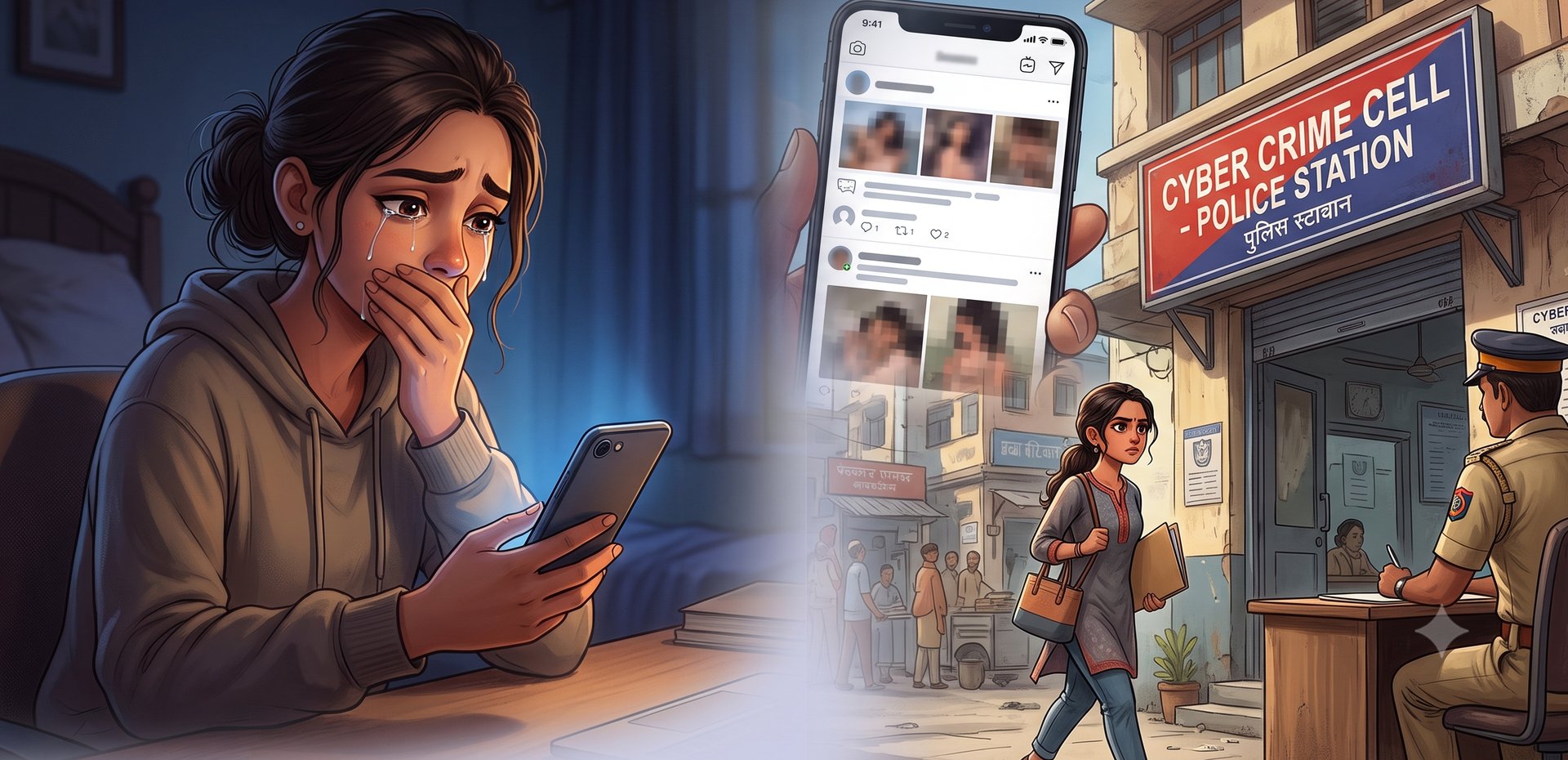
The rapid spread of digital content has brought unprecedented connectivity, but it has also given rise to severe digital threats—most notably, the malicious distribution of Non-Consensual Intimate Imagery (NCII) and deepfake pornography. Once such content goes live, every minute counts.
Recognizing the devastating impact of image-based abuse, the Ministry of Electronics and Information Technology (MeitY) has introduced sweeping changes through the Information Technology (Intermediary Guidelines and Digital Media Ethics Code) Amendment Rules, 2026, building upon the comprehensive Standard Operating Procedures (SOPs) released in late 2025.
For victims, these updates offer a much faster, clearer path to reclaiming their digital dignity. For social media platforms, the compliance burden has reached an all-time high, fundamentally altering their legal liabilities. Here is a complete guide to understanding the latest IT Amendment Rules, how to take down intimate content, and the strict penalties platforms face for non-compliance.
Understanding the 2026 IT Amendment Rules on Intimate Content
Historically, under the IT Rules of 2021, social media platforms were given 24 hours to remove intimate images or videos after receiving a formal complaint. However, given the viral nature of modern social media and the rise of AI-generated "Synthetically Generated Information" (SGI) like deepfakes, 24 hours is often too long.
The 2026 Amendment Rules have drastically compressed this timeline. The mandatory takedown window for highly sensitive content—including NCII, morphed imagery, and deepfake nudity—has been slashed from 24 hours to just 2 hours. Furthermore, Significant Social Media Intermediaries (SSMIs) must now proactively prevent the resurfacing of taken-down content by using advanced hash-matching and crawler technologies.
How to Take Down Non-Consensual Intimate Photos and Videos
If you or someone you know is a victim of NCII, immediate action is crucial. The government’s recent SOPs empower victims with multiple, rapid avenues to ensure content is scrubbed from the internet.
1. Direct Platform Reporting (In-App Grievance)
The fastest initial step is to use the platform's native reporting tools. Under the new rules, platforms must prominently feature a mechanism to report NCII.
Action: Click the "Report" button on the post/image and select categories like "Non-consensual intimate media," "Nudity," or "Harassment."
Response Time: The platform is legally bound to remove or disable access to the content within 2 hours of receiving the complaint.
2. The National Cybercrime Reporting Portal (NCRP)
If the platform is unresponsive or you wish to file a formal legal complaint without visiting a police station, the NCRP is highly effective.
Action: Visit cybercrime.gov.in or dial the national cyber helpline at 1930.
Benefit: Complaints lodged here are directly routed to relevant law enforcement agencies, who can issue immediate takedown notices to platforms and domain registrars.
3. One Stop Centres (OSCs) and Law Enforcement
For those who need physical, legal, or psychological support during this stressful time, the Ministry of Women and Child Development operates One Stop Centres.
Action: Approach your nearest OSC or local police station.
Support Provided: They will assist in lodging the FIR, escalating the issue to the Indian Cybercrime Coordination Centre (I4C), and providing necessary legal counseling.
The Strict Liability of Social Media Platforms for Non-Removal
The era of social media platforms acting merely as passive noticeboards is over. The 2026 IT Amendments shift the regulatory stance from reactive takedowns to proactive governance, creating a strict liability framework for intermediaries.
The Loss of "Safe Harbour" Protection
Under Section 79 of the Information Technology Act, 2000, platforms historically enjoyed "Safe Harbour" immunity—meaning they could not be held legally responsible for the content their users posted, provided they acted upon grievances in a timely manner.
The new rules establish a presumed-fault liability. If a platform fails to remove NCII within the strict 2-hour window, or fails to implement measures to stop its re-upload, they are deemed to have failed their due diligence. Consequently, they lose their Safe Harbour protection. This exposes the platform and its executives to direct criminal prosecution under the IT Act and the Bharatiya Nyaya Sanhita (BNS).
Proactive Monitoring via Hash-Matching
Platforms can no longer wait for a victim to report a re-upload of the same abusive video.
The Sahyog Portal: Platforms are now required to generate unique digital fingerprints (hashes) of reported intimate imagery.
The Hash Bank: These hashes must be shared with the I4C via the Sahyog Portal to maintain a centralized "hash bank."
Automated Blocking: Search engines and platforms must actively scan for these hashes and automatically block the content from being published again under a different URL or account.
Who Has the Authority to Order a Takedown?
(Victim vs. Court vs. Police)
A common misconception is that you need a lawyer, a police FIR, or a formal court order to force a social media platform to remove non-consensual intimate imagery (NCII). Under the IT Rules, the legal authority to initiate a takedown depends heavily on the nature of the content.
To ensure rapid relief for victims of digital abuse, the law establishes two distinct pathways for reporting:
1. The Victim (Direct Complaint for Intimate Content)
For intimate photos, nudity, sexual acts, or morphed imagery (deepfakes), the victim holds the ultimate authority.
The Law: Under Rule 3(2)(b) of the IT Rules, platforms are legally mandated to remove this specific category of sensitive content based solely on a private complaint.
Who Can Request It: The request can be made directly by the individual victim or any person acting on their behalf (such as a friend, family member, or legal representative).
No Police/Court Required: You do not need a court order, a government notification, or a police FIR to trigger the strict 2-hour takedown window for intimate imagery. Submitting the complaint to the platform’s Grievance Officer or through the in-app reporting tool establishes "actual knowledge," legally binding the platform to act immediately.
2. Law Enforcement and Courts (For General Unlawful Content)
While victims can directly trigger the removal of NCII, other types of unlawful content (such as defamation, hate speech, or threats to national security) follow a different legal standard.
The Law: Following the landmark Shreya Singhal Supreme Court judgment, platforms generally do not lose their legal immunity for hosting most types of illegal content unless they receive "actual knowledge" from a government authority.
Who Can Request It: For general unlawful content, the takedown request must come from a Court of Law or an Authorized Government Agency (such as the police, the Indian Cybercrime Coordination Centre (I4C), or a designated Ministry officer).
The Timeline: Under the latest amendments, once a platform receives a lawful order from the police or a court regarding illegal synthetic content or public order threats, they have a strict 3-hour window to comply.
Conclusion
The 2026 IT Amendment Rules mark a decisive victory for digital privacy and victim rights in India. By slashing the takedown window for intimate photos to just 2 hours and stripping non-compliant platforms of their safe harbour protections, the government has sent a clear message: the digital safety and dignity of users are non-negotiable.
If you find yourself facing online image-based abuse, remember that the law is heavily weighted in your favor. Act quickly, utilize the National Cybercrime Portal, and force platforms to fulfill their legal obligations.
For more legal insights, rights awareness, and updates, keep following Legalfriendamithab.
CONTACT
Reach out anytime for legal support.
Phone
+91 6238662323
© 2026 Adv.Amithab Sankar. All rights reserved.