KNOW YOUR RIGHTS
The Ultimate Legal Shield: Reclaiming Your Property from Ungrateful Heirs
Did you know that senior citizens in India can legally reclaim property gifted to their children if they are later abandoned? This comprehensive guide explains Section 23 of the Maintenance and Welfare of Parents and Senior Citizens Act, detailing the exact conditions, latest Supreme Court rulings, and the fast-track procedure to cancel a deed.
5/20/20263 min read
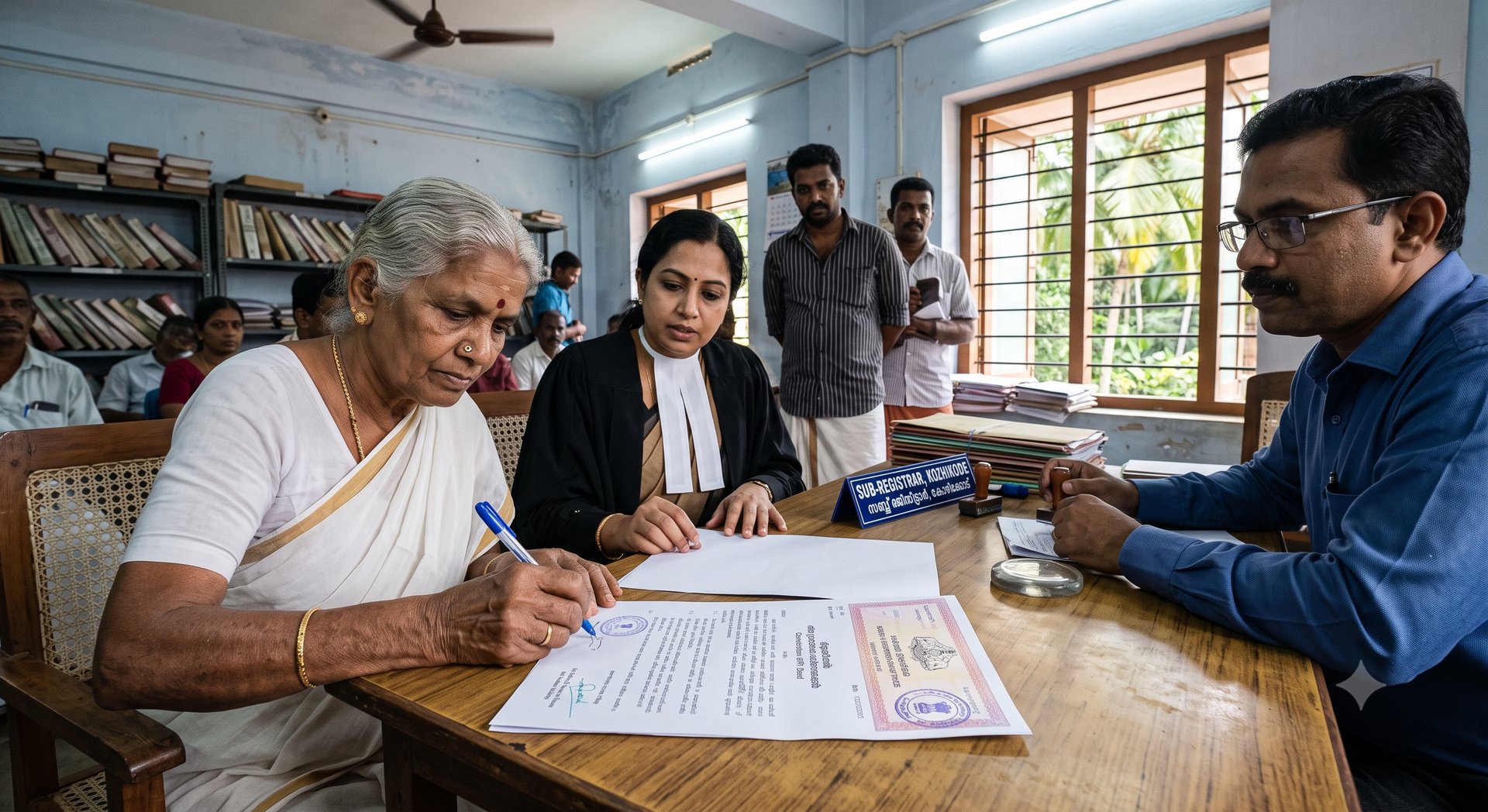
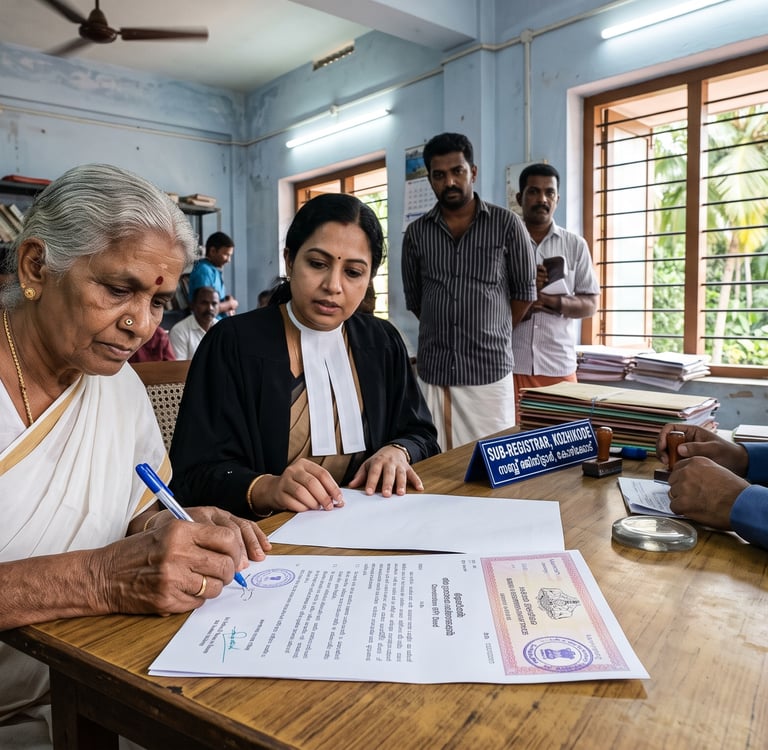
It is a tragic but common reality: parents executing a gift or settlement deed transferring their hard-earned property to their children, only to be neglected and left destitute in their twilight years. If you or someone you know is facing this, you do not have to accept it as fate. Indian law provides a supreme legal mechanism to cancel that deed and take the property back without fighting a 20-year civil court battle.
Here is a complete breakdown of your rights under the Maintenance and Welfare of Parents and Senior Citizens Act, the latest High Court and Supreme Court rulings, and the exact procedure for cancellation.
The Act and the Core Provision:
The Act: The Maintenance and Welfare of Parents and Senior Citizens Act, 2007
The Provision: Section 23 (1) (Transfer of property to be void in certain circumstances)
This specific section was drafted explicitly to protect senior citizens from being left homeless or destitute after transferring their assets to ungrateful heirs.
When Can the Deed Be Cancelled? (Conditions for Applicability)
For a senior citizen to successfully invoke Section 23 and cancel a registered deed, the following conditions must absolutely be met:
Timing of the Transfer: The property must have been transferred (via gift deed, settlement deed, or release deed) after the commencement of the Act in 2007.
The Crucial Condition: The transfer of the property must have been made subject to the condition that the transferee (the son/daughter) shall provide basic amenities and basic physical needs to the transferor (the parent).
Breach of Trust: The child refuses or fails to provide these basic amenities and physical needs.
When these conditions are met, the law creates a legal presumption. It deems the transfer to have been made by "fraud, coercion, or undue influence," giving the Maintenance Tribunal the authority to declare the deed completely void.
When Can it NOT be Done? (The Latest Court Stand)
This is where the law gets highly technical, and you need to be aware of the "Express vs. Implied" debate currently happening in the courts. When a deed is written purely out of "love and affection" without explicitly stating that the child must maintain the parents, courts have been historically divided on whether the deed can be cancelled.
The Strict Stance in Kerala (October 2025) In recent rulings like Satheesan v. The District Collector (October 2025), which relied on the landmark Full Bench decision in Subhashini, the Kerala High Court has taken a strict interpretation. The court held that the condition to provide basic amenities must be expressly stated in the actual document of transfer. If the deed was written purely out of "love and affection" with zero mention of a condition to maintain the parents, the Tribunal cannot invoke Section 23 to cancel it.
The Supreme Court’s Liberal Lifeline (January 2025) In a massive victory for elderly rights, the Supreme Court of India in Urmila Dixit v. Sunil Sharan Dixit (January 2025) ruled that this Act is a "beneficial legislation" and must not be interpreted so strictly that it defeats its own purpose. The Supreme Court clarified that if there is evidence of an understanding—such as a separate promissory note (vachan patra) executed alongside the deed—the Tribunal has the absolute power to cancel the transfer and even order the eviction of the children to restore possession to the senior citizen.
The Practical Reality: While the Supreme Court is pushing to protect the elderly through liberal interpretation, the safest legal route in Kerala remains ensuring that any gift deed drafted today explicitly includes a "maintenance clause".
The Step-by-Step Procedure for Cancellation
Unlike a traditional civil court battle that can drag on for decades, this Act provides a fast-track, summary procedure:
File the Application: The senior citizen (or an authorized relative/organization if the senior citizen is incapable) must file a petition before the Maintenance Tribunal. In Kerala, the Tribunal is presided over by the Revenue Divisional Officer (RDO) / Sub-Divisional Magistrate.
Issuance of Notice: The Tribunal will issue a legal notice to the children or transferees, requiring them to appear and explain their side.
Conciliation Attempt: The Tribunal will often refer the matter to a Conciliation Officer first to see if an amicable, dignified settlement can be reached within the family.
Summary Inquiry: If conciliation fails, the Tribunal conducts a quick summary inquiry to verify the facts, rather than a prolonged trial.
The Final Order: If the Tribunal is satisfied that the children failed to provide basic amenities despite the condition of the transfer, it will officially declare the gift/settlement deed null and void, legally returning full ownership and possession of the property to the senior citizen.
For more legal insights, rights awareness, and updates, keep following Legalfriendamithab.
CONTACT
Reach out anytime for legal support.
Phone
+91 6238662323
© 2026 Adv.Amithab Sankar. All rights reserved.